

Lilian Khauli is making history as a first-time filmmaker by creating the very first film centered on Sepulana, a marginalized South African language that has long existed on the fringes of mainstream media and education. Her groundbreaking debut, Sepulana: The Great Defining Moment*(2025), is more than a film; it is an act of cultural reclamation, a declaration of presence for a language and a people who have too often been overlooked.
Growing up in the township of Soshanguve, a place known for its vibrant mix of South Africa’s many local languages, Lilian experienced a deep sense of linguistic displacement. Surrounded by diversity, she nevertheless felt lost and isolated, her own linguistic heritage rarely acknowledged or valued. Sepulana, the language of the Mapulana people, was seldom represented in classrooms, on television, or in print. That absence left a lasting impression, shaping both her identity and her creative purpose.
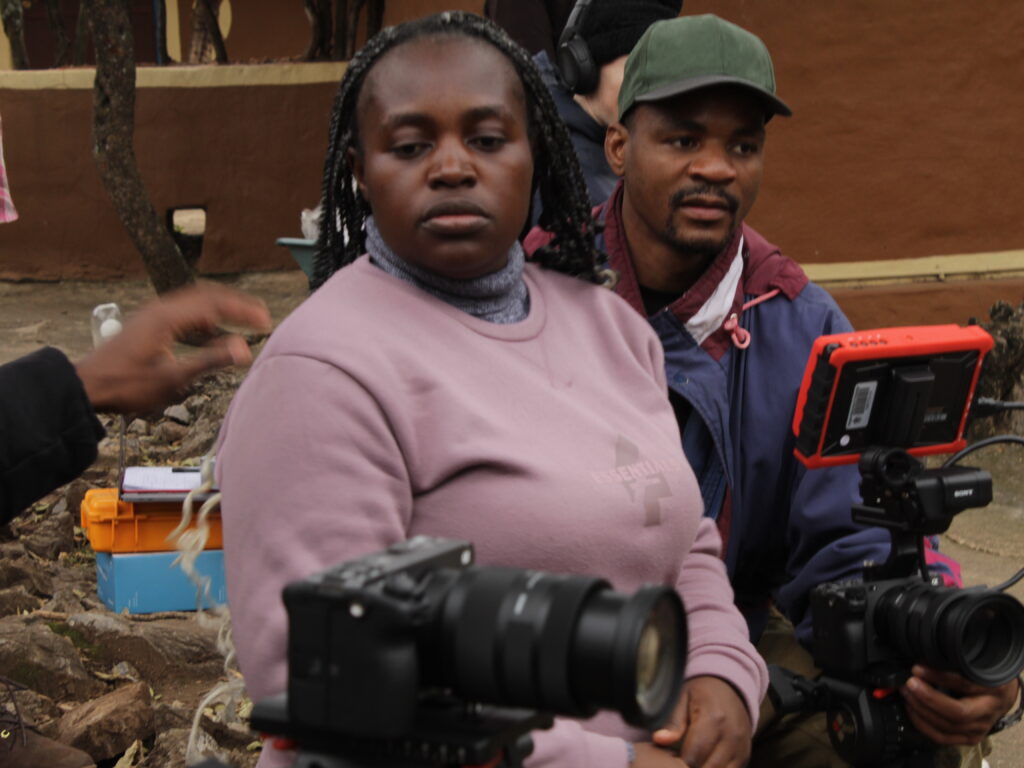
Through Sepulana: The Great Defining Moment, Lilian turns that sense of invisibility into a powerful narrative of pride and affirmation. The film celebrates the rich traditions, values, and cultural practices of the Mapulana people, offering audiences an intimate look at a community whose stories are rarely told on screen. By placing Sepulana at the centre of the film, Lilian challenges long-standing hierarchies of language and culture, insisting that indigenous languages are not relics of the past, but living, evolving carriers of knowledge and identity.
The film premiered at the TUT VISCOM Awards, where it quickly sparked critical conversations about marginalized languages in South Africa’s creative and educational spaces. It went on to win the MPP SAGE – Best Editor Award, a significant achievement that recognized not only Lilian’s technical skill, but also the cultural importance of her work. For many viewers, the film served as a reminder that representation matters and that language is inseparable from dignity and belonging.
Lilian S. Khauli is a filmmaker with a strong foundation in post-production, specializing in video editing, audio final mixing, and live-streamed productions. Her creative practice is deeply rooted in visual storytelling, sound design, colour grading, and the development of efficient post-production workflows. This technical precision is evident in her films, where form and content work together to elevate the emotional and cultural impact of the story.
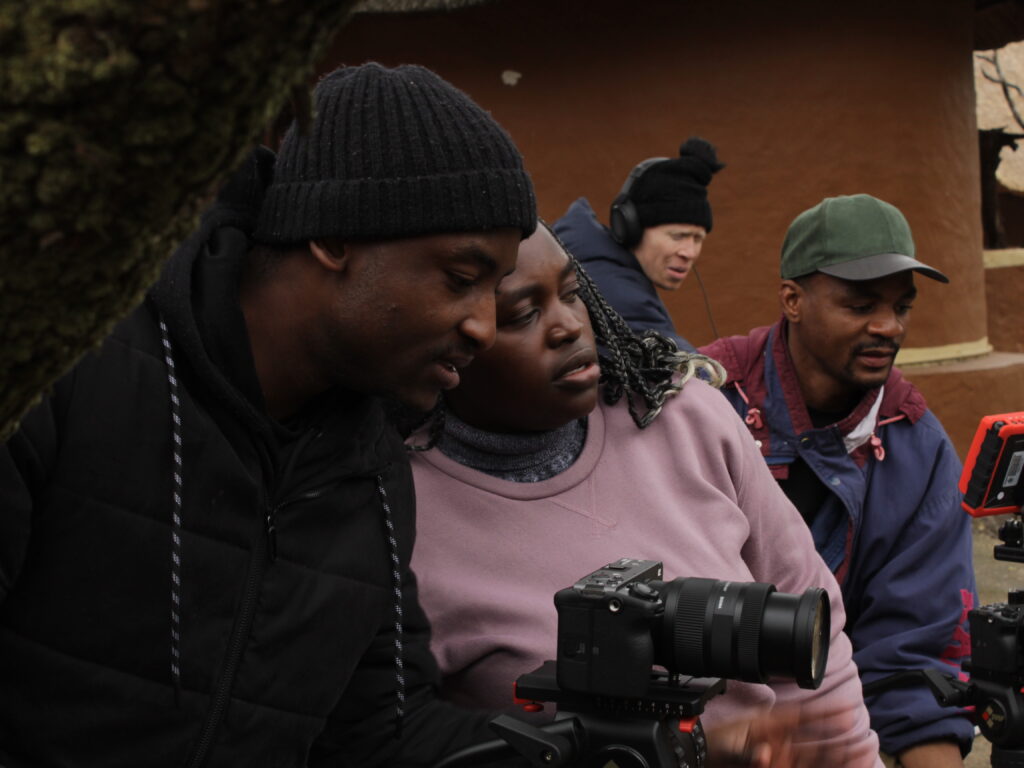
Her journey in film includes contributions to several student productions that highlight her versatility and commitment to storytelling. In Lala Moon Gifted (2017), her work earned her a Best Editor award, while ‘Prima Ballerina’ (2022) further showcased her ability to adapt her post-production skills across different genres and narratives. Each project has helped refine her voice as a filmmaker who understands the power of editing not just as a technical process, but as a narrative language in its own right.
Beyond her creative work, Lilian brings her expertise into professional and academic spaces. She has worked with institutions such as the SABC, SAPS, and the Tshwane University of Technology (TUT). At TUT, she serves as a part-time lecturer in post-production and video editing, while also working as a videographer within the Directorate of Extracurricular Development. In these roles, she mentors emerging creatives, passing on both technical skills and a deeper awareness of storytelling as a tool for social impact.
Currently, Lilian is particularly interested in films that stimulate dialogue around indigenous language media. Her work advocates for the preservation and elevation of languages like Sepulana in education, media, and print, arguing that cultural survival depends on visibility and use. Through her storytelling, she not only documents her personal journey, but also contributes to a broader movement that seeks to honor South Africa’s linguistic diversity

With Sepulana: The Great Defining Moment, Lilian Khauli has set a powerful precedent. She has shown that first-time filmmakers can reshape cultural narratives, and that telling one’s own story in one’s own language can be a defining moment not just for an individual, but for an entire community.